News

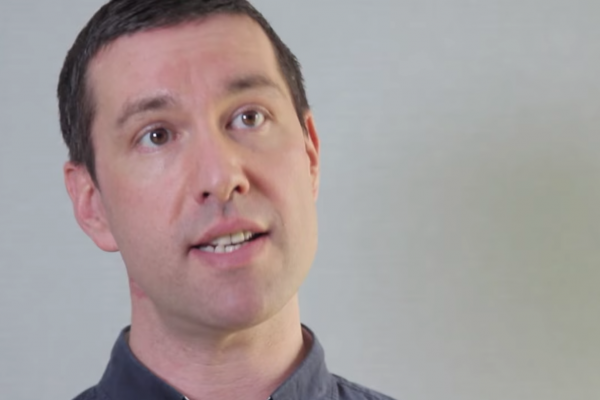
Dr Andrew Manches on ‘Using Technology to Help Kids Learn’
With the evolution of technology moving at an ever faster pace, how do changes in the ways children interact with technology affect they way they think and learn?
Dr Andrew Manches discusses this issue from experience working with children in the following video.

So-called digital natives can’t solve problems with technology
Remember the “digital native” hype from the early 2000s? There was a lot of discussion about how there was a new generation of children growing up were born with access to technology, and that their technological prowess would be such that traditional education would need to reform to accommodate it. Research evidence is now growing to confirm that the superior skills of digital natives are in fact not a reality. So you can feel quite smug if you rolled your eyes every time someone mentioned “digital natives” since 2001.

A Victory for EF Exergames
Doing a PhD within a niche, interdisciplinary field can be filled with both euphoric highs and confusing lows. Am I doing something so ground-breaking that it will make simultaneous waves within several fields? Or is my work so niche it will fail to even register a ripple on any of its founding disciplines? As a result, hearing of success within your niche can help calm these choppy waters.

Professor Lydia Plowman Speaks At CAMRI
Professor Lydia Plowman visited the ‘Comparing Children’s Media Around the World’ conference, held at the University of Westminster on the 4th of September 2015, where she addressed attendees from around the globe, on some of the groundbreaking research in which she is involved. The Comparing Children’s Media Around the World conference set out to discuss an international, cross-cultural approach for delivering children’s media, and featured contributions from academic thinkers in addition to a panel of intercontinental media producers.