
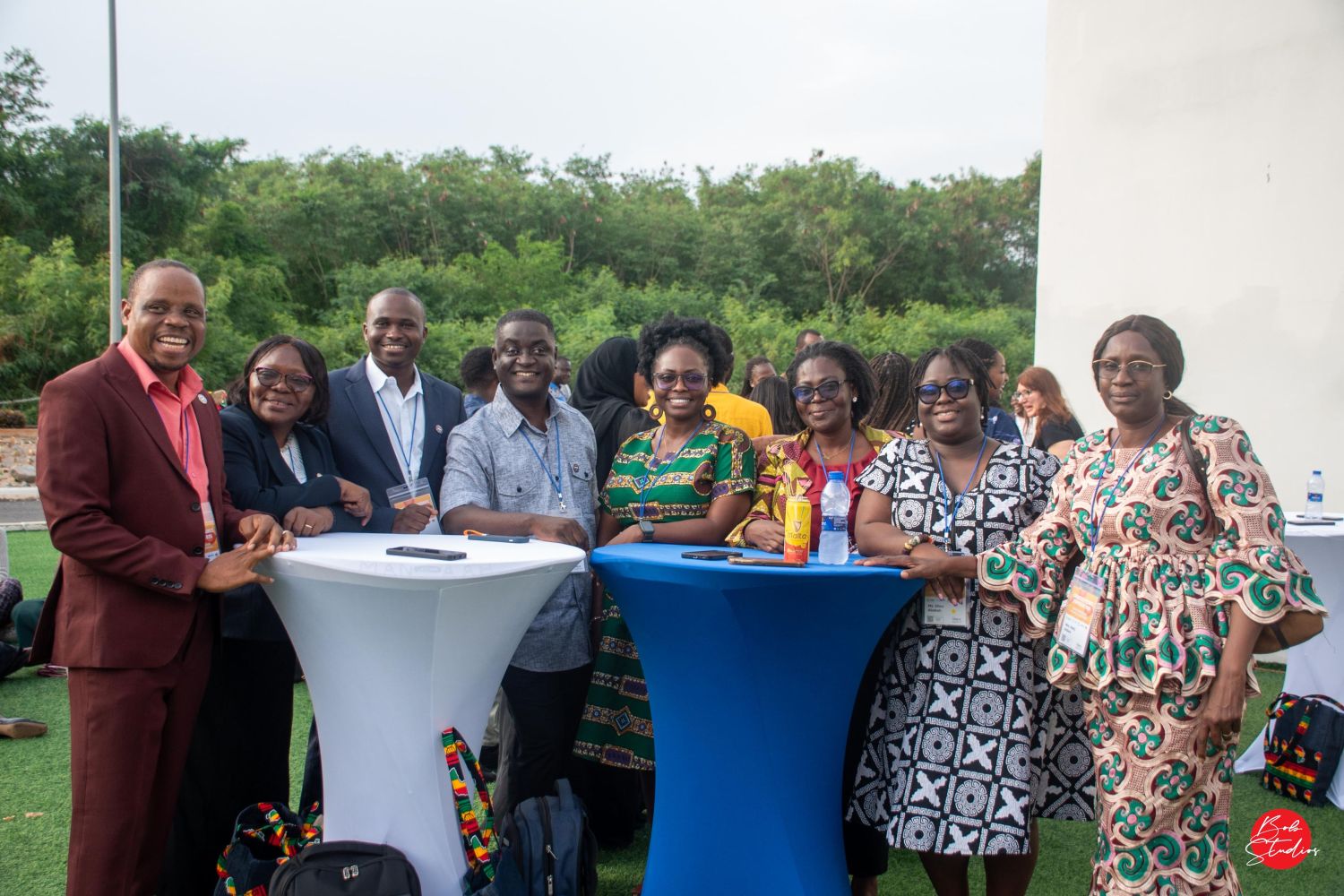
Alice Dias Lopes, Pete Evans, and Michael Gallagher from the Digital Education in the Global South strand of the Centre for Research in Digital Education just returned from a week in Accra, Ghana to support the Mastercard Foundation African Scholars Programme Summer School. The choice of Ghana was a deliberate one, both for the significant activity that the Mastercard Foundation has there, as well as it being a source of intellectual tradition and inspiration for the continent and beyond.
We directly supported the Digital Education Practitioner Network (DEPN) project at this weeklong event. DEPN is comprised of cohorts drawn from higher education institution (HEIs) staff in select African regions. The first cohort (starting in 2023) was from Ugandan universities. The second (starting in 2025) is from Sierra Leone, The Gambia, and Ghana (hence the event being held in Accra). The third cohort will start in 2027 and will take us back to East Africa.
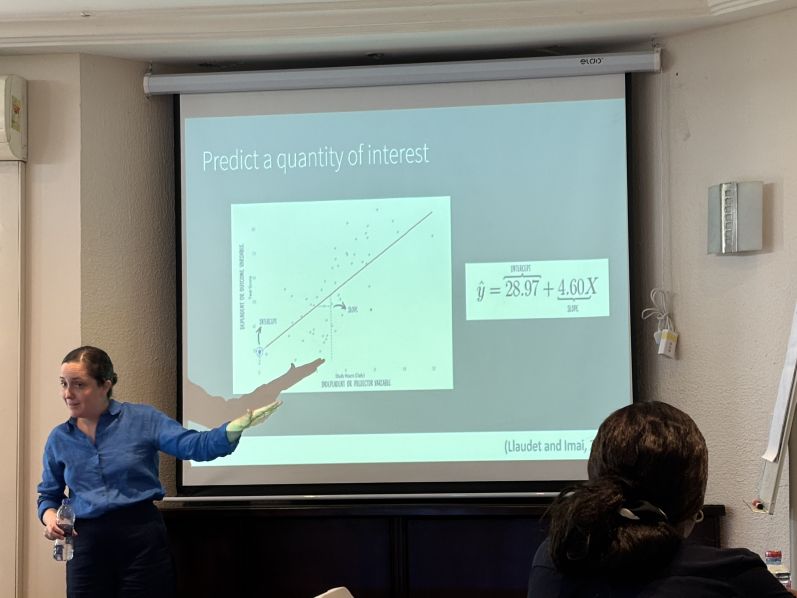
Our work with the DEPN cohort involved three days of intensive workshops on all things research: how to think and question like a researcher, how to use theory (specifically social reproduction and capability approaches), methods like policy analysis, and then Alice’s wonderful introduction to quantitative research using R with open datasets. The students on DEPN are all university practitioners and came with ideas that they wished to expand and refine: university policy, working with market women in the informal economy, helping displaced and out of school students in Northern Nigeria engage with education through digital technology, addressing rural digital divides in HEIs. The three days explored these ideas, refined them, and bolstered them through theory and methods. Very productive.
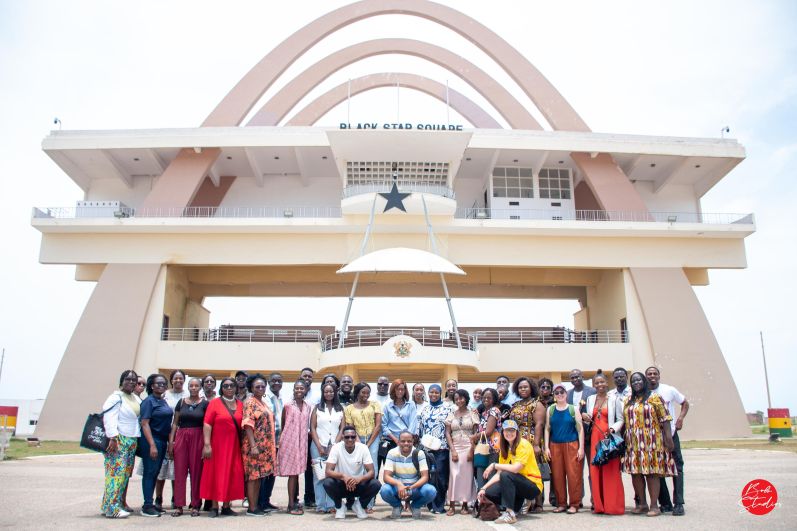
These workshops were part of a larger week of activity where many of the Online Distance Learning (ODL) Scholars from the Mastercard Foundation African Scholars programme and the WESAF doctoral programme were present. They interacted with our DEPN cohort in many events, including a symposium at the University of Ghana titled Connected Futures: Digital Education for Sustainable Development. Our own MScDE student (and former Director General of the Ghana Education Service) Dr Eric Nkansah gave the opening keynote on the role that digital education must play in realising sustainability on the African continent.
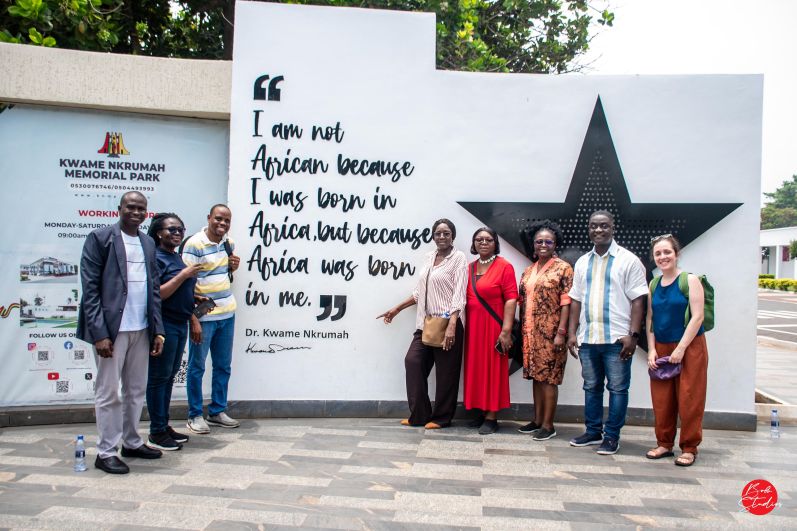
The theme of the Summer School event and indeed much of the work of the Mastercard Foundation at the University of Edinburgh is framed around sustainability. This is a subject that is near and dear to us on the MSc in Digital Education and at the Centre. We see it as an imperative to draw critique to the increasing (and largely unsustainable) carbon footprint that educational technology and especially AI is begetting. Sustainability can mean how ODL programmes (and the MSc in Digital Education) cater to those who might otherwise be marginalised by existing HE: non-traditional students, working professionals, women, those with disabilities, and increasing forcibly displaced populations. The programme has coursework related to developing bespoke, ecologically sensitive approaches to digital education for these audiences using sustainable cultural models to do so.
In the world of educating disadvantaged learners in Global South contexts, ready-made ‘plug and play’ digital approaches are inadequate and unsustainable. Bespoke, open, and appropriate technological approaches are. The MSc in Digital Education, and indeed the Centre for Research in Digital Education, champions these as best as we are able. Our week in Accra helped reassert this position and continue the work that the first cohort of DEPN scholars from Uganda initiated.